Start Here: Key Planning Guides
This page is the hub for everything I have written about European river cruising. If you are short on time, these four guides answer the questions I am asked most often.
What Is a European River Cruise?
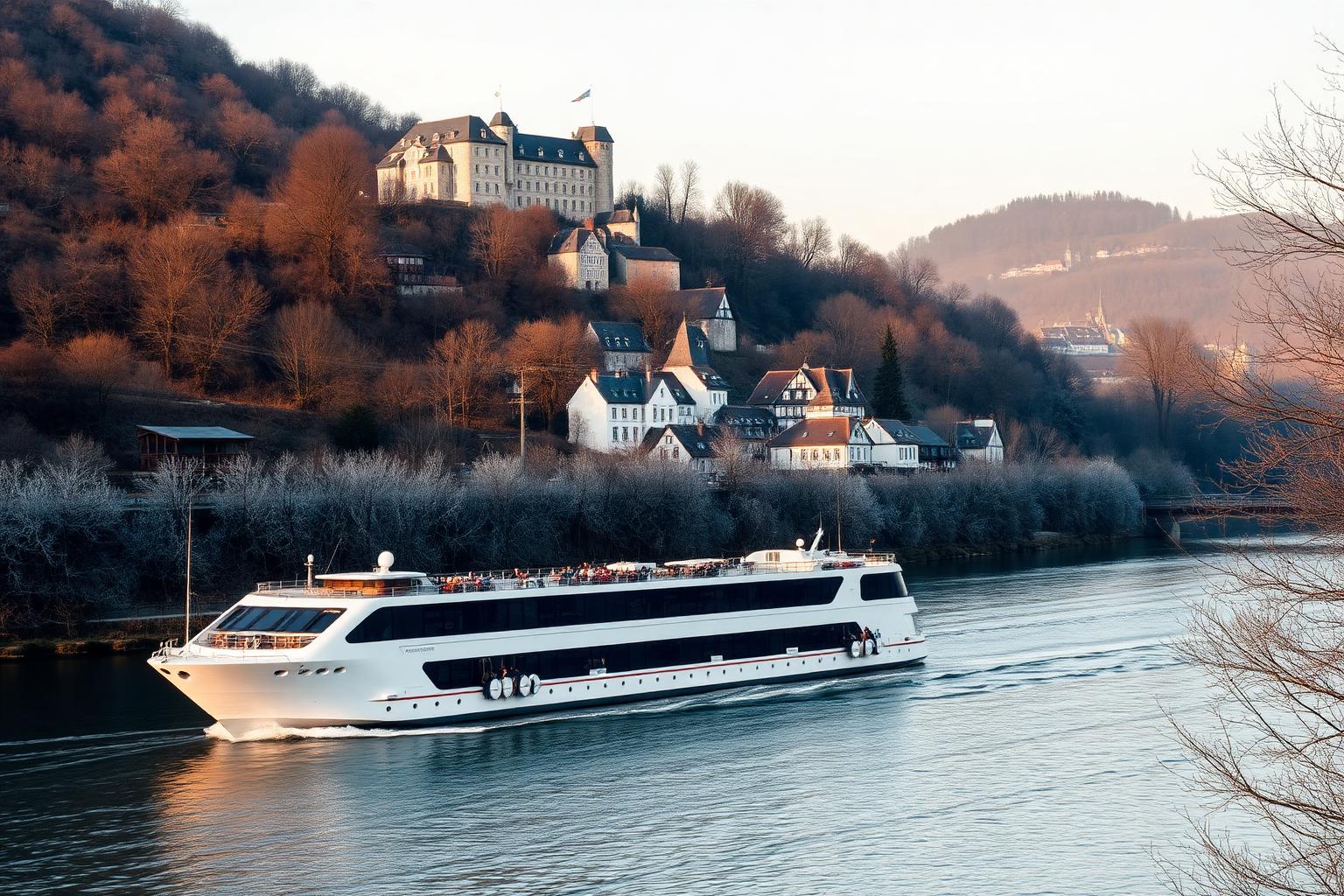
A European river cruise is a small-ship journey along one of Europe's historic inland waterways, the Rhine, the Danube, the Moselle, the Douro, the Seine, or the Rhone, among others. Unlike large ocean ships that anchor offshore and tender passengers to port, river cruise ships dock directly in the heart of each city or village, often within walking distance of the main cathedral, market square, or historic center.
Ships carry between 100 and 200 passengers on average. There are no casinos, no rock-climbing walls, and no Broadway-scale entertainment. What you get instead is an intimate, immersive travel experience where the destination is the point, not the ship.
Most European river cruises run between seven and fourteen nights. A typical itinerary visits a new port each morning, offers a mix of guided group excursions and independent exploration time, and returns to the ship each evening for dinner as you sail to the next destination overnight.
The Most Popular European Rivers to Cruise
The Danube
The Danube is the most traveled river in Europe for cruise itineraries and for good reason. It flows through or borders ten countries, connecting Vienna, Budapest, Bratislava, Passau, and the Wachau Valley wine region. A classic Danube itinerary is a strong first river cruise choice for travelers who want maximum destination variety in a single sailing.
The Rhine
The Rhine runs through Switzerland, France, Germany, and the Netherlands. Rhine itineraries typically include Amsterdam, Cologne, Strasbourg, and Basel, with optional extensions into the Moselle Valley. The dramatic Rhine Gorge section, with its hillside castles and vineyards, is one of the most photographed stretches of river in Europe.
The Moselle
The Moselle connects the Rhine with the wine villages of Luxembourg and Germany. It is a quieter, less-traveled river that appeals to travelers looking for a more intimate experience. Moselle itineraries are often combined with Rhine sailings for guests who want a longer journey.
The Douro
Portugal's Douro Valley is one of the most visually dramatic river cruise destinations in the world. The river winds through steep terraced vineyards, and port wine tastings are a centerpiece of nearly every itinerary. Douro cruises are typically smaller and more boutique in character than Rhine or Danube sailings.
The Seine
Seine itineraries center on Normandy and Paris and appeal especially to travelers with a love of French culture, history, and cuisine. Sailing roundtrip from Paris, guests visit the D-Day beaches, Monet's gardens at Giverny, the medieval city of Rouen, and the port of Honfleur.
The Rhone and Saone
A Rhone and Saone itinerary is the food and wine lover's river cruise. Sailing between Lyon and Avignon, guests experience Provence, the Beaujolais wine region, the Pont du Gard, and some of the finest regional cuisine in France.
The Top European River Cruise Lines
Choosing a river cruise line is not simply a matter of picking the name you recognize. Each line has a distinct personality, design philosophy, onboard culture, and price point. As a specialist who has personally inspected ships across multiple fleets, here is an honest overview.
AmaWaterways
AmaWaterways is widely regarded as one of the premier luxury river cruise lines in the world. Ships are elegantly designed, service levels are consistently high, and the culinary program is a genuine standout. AmaWaterways is particularly well known for its twin-balcony staterooms, which feature both a French balcony and a full outside balcony on a single cabin. Active excursion programming including cycling and hiking options in nearly every port sets AmaWaterways apart from more traditional lines. Ideal for travelers who want luxury, activity, and outstanding food.
Viking River Cruises
Viking is the most recognized name in river cruising and consistently tops traveler satisfaction rankings. Ships have a clean Scandinavian aesthetic with a strong emphasis on cultural immersion programming. Viking's all-inclusive pricing model includes Wi-Fi, shore excursions, wine and beer with dinner, and port charges, which makes budgeting straightforward. Ideal for first-time river cruisers and travelers who appreciate a well-organized, culturally enriching experience.
Riverside Luxury Cruises
Riverside is a newer entrant to the luxury river cruise market and one that has quickly earned recognition for its exceptionally spacious staterooms, refined onboard atmosphere, and highly personalized service. Riverside ships carry fewer passengers than most competitors, which creates a more intimate feel throughout the journey. Ideal for travelers who prioritize space, quiet, and a genuinely boutique experience.
Tauck
Tauck river cruises are fully inclusive at a high level and attract a loyal following among experienced travelers. What distinguishes Tauck is the quality and exclusivity of its shore excursions, which frequently include private after-hours access to sites that are closed to the general public. Tauck does not carry children under the age of twelve on most European sailings. Ideal for discerning couples who want curated, exclusive experiences ashore.
Scenic and Emerald Cruises
Scenic and its more moderately priced sister brand Emerald offer a fully inclusive model that includes premium spirits, a butler for every suite category, and a fleet of electric bikes and kayaks available in port on Scenic ships. Scenic Space-Ships are among the most feature-rich river cruise vessels on the water today. Ideal for travelers who want an all-inclusive luxury experience with strong onboard amenities.
How to Choose the Right Cabin on a European River Cruise
This is one of the most important and most misunderstood decisions in river cruise planning. On an ocean ship, the difference between cabin categories is primarily size. On a river cruise ship, the differences are more nuanced, and choosing the wrong category is one of the most common mistakes first-time river cruisers make.
French Balcony vs. Full Outside Balcony
A French balcony is a floor-to-ceiling sliding glass door that opens to a railing. You can stand at the opening and feel the breeze, but there is no outdoor floor space. A full outside balcony has actual exterior square footage where you can sit outside in a chair. Both have genuine value, but they deliver different experiences. Which is right for you depends on how you travel and how much time you spend in the cabin.
Deck and Location
Cabin location matters significantly on a river cruise. Mid-ship cabins tend to be quieter and more stable. Cabins near the stern may be closer to engine noise. Higher decks offer better views in some configurations but may have lower clearance on certain rivers. A specialist who has personally walked the ships can tell you which specific cabin locations to prioritize and which to avoid on a given vessel.
When the Upgrade Is Worth It
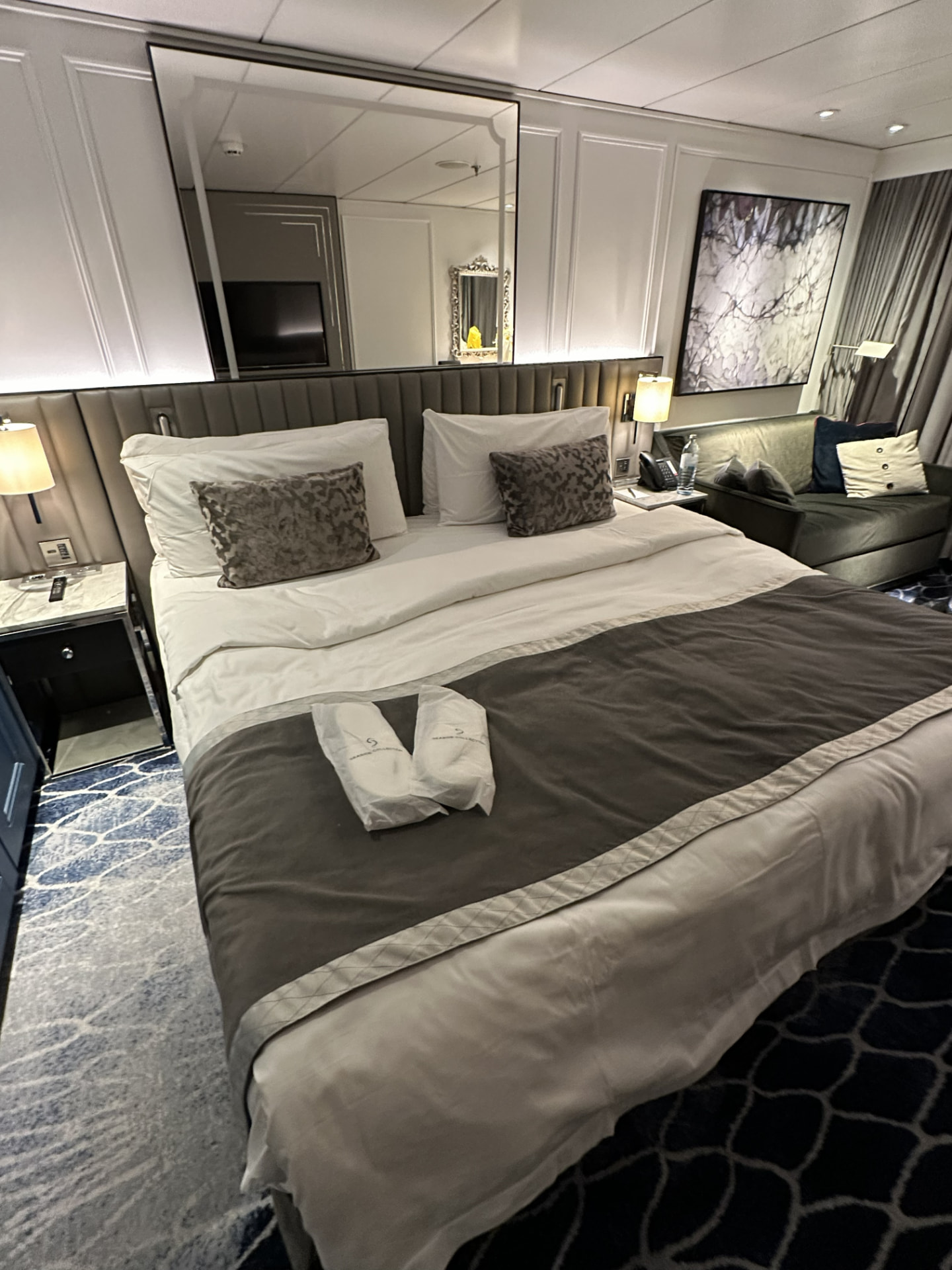
Not every cabin upgrade on a river cruise represents proportional value. I have walked through cabins that look spectacular in photos and felt nothing special in person, and I have stepped into others and immediately thought: this is the one. The best cabin for your itinerary is not always the most expensive category. It is the category that matches how you actually travel, and that distinction is what firsthand ship knowledge makes possible.
What Is Included in a European River Cruise Fare?
Inclusions vary significantly by cruise line, and understanding what you are actually getting for the price is essential to making an accurate comparison.
What is typically included: Accommodations for the duration of the cruise. All onboard meals including breakfast, lunch, and dinner. A selection of wines, beers, and soft drinks with lunch and dinner. One guided shore excursion per port on most lines. Port charges and taxes. Wi-Fi on most lines. Gratuities for onboard crew on some lines.
What is typically not included: International airfare. Pre or post cruise hotel nights. Premium specialty dining or beverage packages. Premium shore excursions beyond the standard included option. Travel protection. Gratuities on lines where these are not included. Spa services and personal shopping.
The total cost of a European river cruise is meaningfully different from the base cabin price. A specialist who understands what each line includes and excludes can help you build an accurate budget from the start and avoid surprises.
The Best Time to Take a European River Cruise
Spring, April through May
Spring is one of the most beautiful times to sail European rivers. Tulips bloom in the Netherlands, vineyards green up along the Rhine and Moselle, and temperatures are mild and comfortable for walking and cycling in port. Crowds are lighter than in summer and pricing is generally more favorable.
Summer, June through August
Summer is the peak season for European river cruising. Days are long, weather is warm, and every destination is at its most festive and vibrant. It is also the most crowded and most expensive time to travel. Water levels on some rivers can become a factor in very hot dry summers, occasionally affecting itineraries.
Early Autumn, September through October
Many experienced river cruisers consider early autumn the single best time to sail in Europe. Harvest season brings wine festivals, truffle markets, and exceptional regional cuisine to nearly every destination. Crowds thin noticeably after mid-September and the light is extraordinary. Pricing begins to moderate. This is the season many specialists recommend for a first river cruise.
Christmas Market Season, late November through December
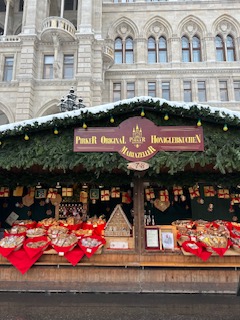
Christmas market river cruises are among the most requested and most beloved itineraries in all of river cruising. Ships sail between cities whose historic squares are transformed into illuminated markets selling handcrafted ornaments, mulled wine, roasted chestnuts, and local foods. These sailings sell out early, often a year or more in advance, and should be booked as soon as possible. For a full breakdown of Rhine versus Danube, cruise lines, ships, cabins and timing, see Melissa's Christmas Market river cruise planning guide.
River Cruise vs. Ocean Cruise: Which Is Right for You?
River cruising and ocean cruising are fundamentally different travel experiences and the right choice depends entirely on what you value most.
If you want to be immersed in European cities and culture from the moment you wake up, river cruising is almost certainly the better fit. If you want a wide range of onboard entertainment, large-scale amenities, and a variety of destination regions in a single voyage, an ocean cruise may serve you better. If you prefer smaller ships, intimate dining, and a quiet onboard atmosphere, river cruising will feel like the right choice. If you want to travel with children and need robust family programming, most ocean lines are better equipped. If you are interested in a specific region of Europe, a river cruise puts you directly inside that world in a way that ocean cruising cannot.
Many of the travelers I work with have ocean cruised for years before discovering river cruising. For most of them, it becomes their preferred way to experience Europe.
“European river cruising is the travel experience I recommend most consistently to clients who tell me they want to feel genuinely connected to a place, not just to pass through it. When you wake up and step off the ship directly into Vienna or Budapest or a village in the Wachau Valley, Europe is not a backdrop. It is the entire point. That is what river cruising does better than any other form of travel I know.”
What Our Cruise Travelers Say
Authentic Google reviews from travelers who trusted CCTA with their cruise planning.
“Cannot express enough how professional, how detail oriented, and what good customer service we have received from Melissa and CCTA. She has been there for us on more than one trip, always has practical information, looks for the best cruise for the money, and is very thoughtful of the clients' needs & concerns. She listens! She is responsive! She goes above and beyond! I will definitely be using her in the (hopefully near!) future, and am so grateful.”
“Melissa is amazing! She helped me and my family with a Sedona getaway last year and was so informative and knowledgeable. This year I went on a large family trip and cruise to Europe another travel agent booked who did about 10% of what Melissa did for us. Melissa helped me navigate hotel bookings pre and post cruise and also gave me great cruise and Europe tips. I learned my lesson to never use any other travel agent than Melissa! She’s actually helping us book our 2025 trip now. :)”
“Melissa great with arranging and advising. She is experienced, prompt and I always feel like she is on call for me. We cruised with Viking last year and are with them again later this year.”
“We just returned from our 2nd cruise organized by Melissa Yetter at Cruisin Couple Travel Agency. We found Melissa a few years ago when we could not get other travel agents to respond to our inquiries. Melissa was extremely responsive and helpful in assisting us. This cruise we did this year were with the add-on of Barcelona and Paris while cruising through France's Provence region. Everything went off without a hitch and any issues that arose before were corrected immediately. They do an excellent job at keeping their customers happy. Thank you for all you did for us.”
“Dawn at CCTA handled our recent booking of an 11-day Princess cruise round trip from San Fran to 4 Alaska ports plus Victoria, BC, and we could not have been more pleased! This was my eighth cruise in 20 odd years, and for sure the smoothest yet. Despite having a couple last minute requests, I doubt we spent more than 15 minutes in the cruise terminal prior to boarding (which in my experience is almost unheard of - usually it's an hour of so!) My wife and I will always use CCTA for future cruises, and I just want to publicly thank Dawn for a great experience!”
Plan Your European River Cruise
Ready to take the next step? Compare the lines side by side, browse featured sailings with dates and pricing, or request a personalized quote.
Frequently Asked Questions
Viking River Cruises is often the strongest choice for a first river cruise. The all-inclusive pricing, well-organized cultural programming, and consistent service make for a straightforward and rewarding introduction to river cruising. AmaWaterways is an excellent alternative for travelers who prioritize culinary excellence and active excursion options.
For most sailings, booking eight to twelve months in advance gives you the best selection of cabin categories and departure dates. For Christmas market cruises, which are the most in-demand sailings in river cruising, booking twelve to eighteen months in advance is strongly recommended. The most desirable categories sell out first.
For travelers who want an immersive, curated European experience without the logistics of planning city-to-city travel independently, a river cruise represents exceptional value. The combination of accommodation, meals, excursions, and transportation between destinations in a single fare makes the all-in cost more competitive than it may initially appear.
You can book directly, but there are meaningful advantages to working with a specialist. A river cruise advisor who personally inspects ships can tell you which specific cabin on which specific vessel delivers the best experience for your travel style, a level of guidance that no website or booking engine can provide. Advisors also have access to exclusive amenity packages, group pricing, and priority waitlist options that are not available to the general public.
River cruising is generally smart-casual in dress code. Most lines do not require formal attire. Plan for layering since mornings on deck can be cool even in summer, and prioritize comfortable walking shoes for port days. A compact daypack, a reusable water bottle, and a power adapter for European outlets round out the essentials.
Pricing varies significantly by line, season, cabin category, and itinerary length. A seven-night sailing in a standard category cabin typically starts in the range of $3,000 to $5,000 per person on a mainstream river cruise line, with luxury lines ranging from $5,000 to $10,000 or more per person. These figures generally include accommodations, meals, and standard excursions but do not include airfare or travel protection.
Yes. Most major river cruise lines include Wi-Fi in the base fare. Connection speeds vary by river and region as the ships are sailing through rural areas and passing through locks. Wi-Fi is generally reliable enough for email and light browsing and less reliable for video streaming.

Melissa Yetter
Luxury River Cruise Specialist
CLIA Certified Cruise Counselor, CTIE, ASTA Verified Travel Advisor, Princess Commodore, AmaWaterways Certified Specialist, Viking River Certified Specialist, Riverside Luxury Cruises Certified Specialist
Melissa Yetter is a CLIA Certified Cruise Counselor, Certified Travel Industry Executive, and ASTA Verified Travel Advisor (VTA) based in Chandler, Arizona. As owner of Cruisin Couple Travel Agency, she has spent over six years building one of the most credentialed cruise practices in the Southwest, with specialist certifications from AmaWaterways, Viking River, Riverside Luxury Cruises, Tauck, and more than a dozen additional lines. Melissa personally inspects river cruise ships and itineraries across Europe and brings firsthand knowledge to every client recommendation. She serves on the Board of Directors for the Arizona ASTA Chapter.
She has personally inspected more than 25 river cruise ships and sailed the Rhine, Danube and Douro, including a Christmas Markets itinerary on the Danube aboard Riverside Mozart. Read her full river cruise advisor profile or her firsthand ship reviews.