If you have been dreaming about a European river cruise and started doing your research, you have probably seen the beautiful images: a sleek ship gliding past a medieval castle, wine at dinner, sun on the deck.
What you may not have found yet are the honest answers to the questions first-timers actually ask. Here are three things that come up every single week in my planning conversations, and what you need to know before you book.
1. How Hard Is the Walking, Really?
Life on the ship is easy. Life off the ship requires honest self-assessment.
Most port days include 1.5 to 3 miles of walking on uneven cobblestone streets, hills, standing tours that run 45 to 60 minutes, steep gangways, and steps onto motorcoaches. A river cruise is not a floating resort where you can skip the shore and lounge by the pool. The towns are the experience.
Before You Book, Ask Yourself
- Can I stand for 45 to 60 minutes at a time?
- Can I navigate 10 to 15 steps without a railing?
- Can I walk 2 miles at a slow pace over a morning, with regular stops?
If the answer to any of those is no, that does not mean river cruising is off the table. It means you book strategically.
AmaWaterways, Viking, Avalon, and Uniworld all rate their excursions as gentle, regular, or active. A gentle walkers group with a slower guide, more rest stops, and fewer stairs is available in most ports. Request it when you book excursions, not when you arrive.
Does This Ship Have an Elevator?
One question most first-timers never think to ask: does this ship have an elevator?
On an ocean ship, an elevator is assumed. On a river cruise ship, it is not guaranteed. Most river vessels have three passenger decks, and some ships require stairs between every level. If you have knee, hip, or balance concerns, this matters every single morning when you go to breakfast, every evening when you return from port, and every time you board and disembark.
What to know by line before you book:
- AmaWaterways has elevators on most ships connecting all passenger decks.
- Viking River states in their own brochure that not all ships have elevators, and some vessels have split-level decks. Do not assume. Confirm elevator access and deck layout for your specific ship and sailing date before you commit.
- Avalon Waterways has elevators on their Suite Ship fleet. Confirm on older vessels.
- Uniworld has elevators on most ships. Their fleet tends to be newer and well-appointed.
- Riverside Luxury Cruises builds elevators into their newer ships as standard.
Beyond whether an elevator exists, cabin placement matters. A midship cabin on deck two with elevator access is a very different daily experience from a forward cabin on deck one with stairs only. This is the kind of detail a knowledgeable advisor confirms before you book, not something you discover when you board.
Pack broken-in walking shoes with ankle support, a collapsible walking stick if you use one, and a lidded travel mug. Most ships have 24/7 self-serve coffee stations and the top deck is a wonderful place to be early in the morning before the rest of the ship wakes up.
2. What Is Double Docking, and Will People See Into My Cabin?
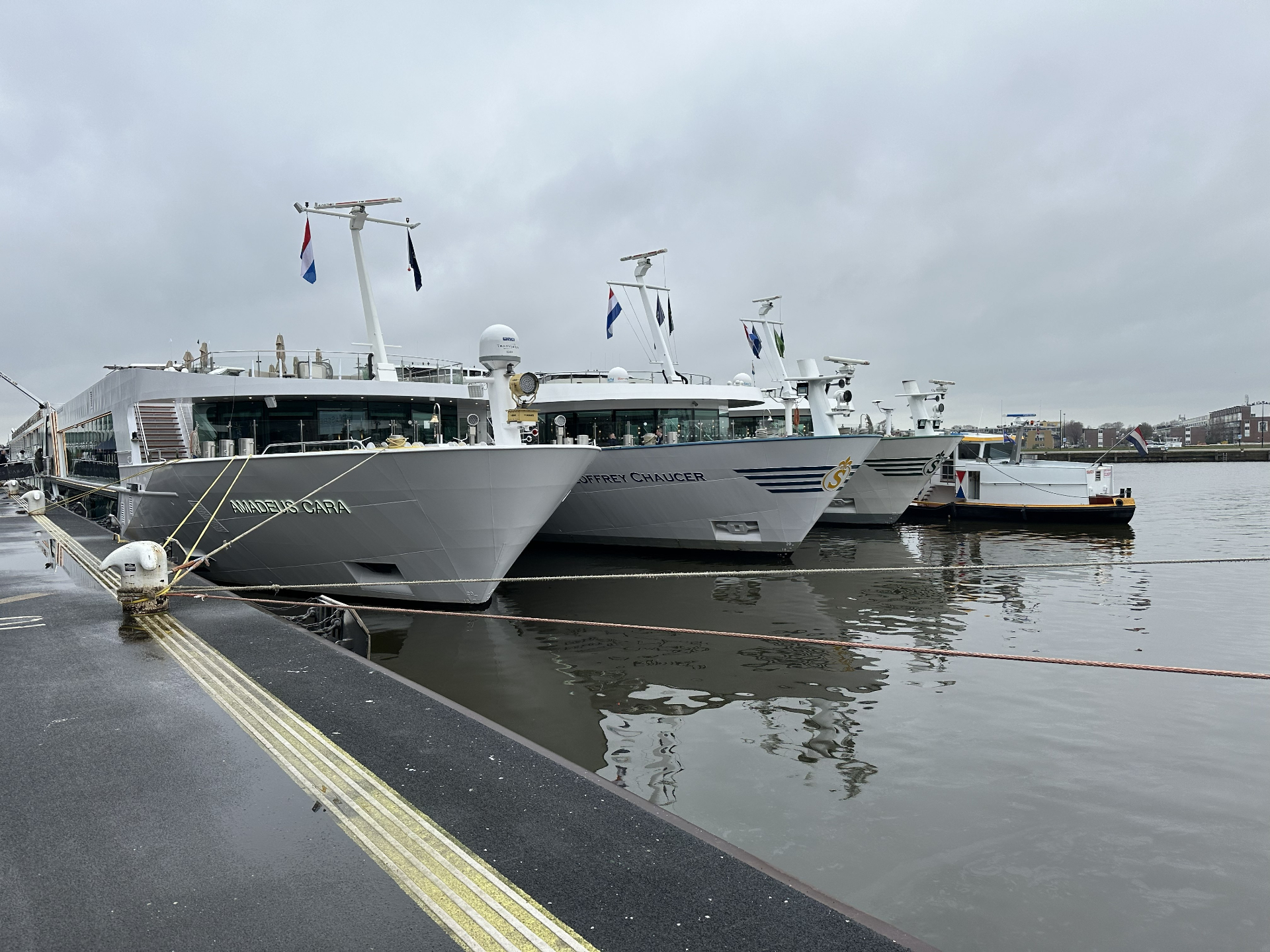
In high-traffic ports like Cologne, Budapest, and Amsterdam, river cruise ships do not always dock at a private slip. When demand is high, two, three, or even four ships tie up side-by-side. To get to shore, you walk through the lobby of the ship docked next to yours.
This is called double or triple docking. It is completely normal and safe. It is also something many first-timers are never warned about, which is why it catches people off guard.
What to Expect
- Your cabin window may face another ship's cabin window for several hours while both vessels are docked. Keep your curtains closed and treat it like staying in a hotel with a neighboring building nearby. When the other ship departs, your view returns.
- Crew members place gangways and escort passengers through. The process is straightforward once you have done it once.
The reason this matters: if you prioritize privacy or unobstructed views, cabin location matters. A good advisor will review port schedules with you, explain which ports frequently double-dock, and help you choose a cabin category that gives you the best experience overall.
3. What Happens If the River Is Too Low or Too High to Sail?
This is one of the most common concerns circulating in river cruise communities right now, especially regarding the Rhine and Danube in late summer.
Here is the honest answer: river cruise lines do not cancel sailings due to water levels. They adapt.
When a section of river cannot be navigated, the cruise line keeps your itinerary intact using motorcoaches. You may be transferred with your luggage to a sister ship waiting at a different dock. The cruise line covers hotels, meals, and transfers during any disruption. Your excursions still happen, and in some cases you receive extra time in a port because the ship arrives differently than planned.
Three Things You Can Do to Protect Yourself
- Consider sailing in shoulder season. May, early June, and late September through October tend to have more stable water conditions than midsummer or early spring.
- Purchase travel insurance on the day you pay your deposit, not the day before you depart. Look specifically for itinerary change coverage and supplier default protection.
- Ask your advisor directly: what is this cruise line's documented low-water response? Lines like AmaWaterways and Viking have established protocols. You should hear a specific answer, not a vague reassurance.
The Real Advantage of Working With an Advisor
You can find a packing list anywhere online. What you cannot find online is someone who reviews low-water reports weekly, knows which ships have elevators on every deck, knows which cabin on a specific vessel is closest to the elevator, and will tell you the honest truth about whether a particular sailing date carries risk for your travel style.
If you are comparing two sailings and one is $2,000 less, look at what is included before you decide. Daily guided excursions, wine and beer with meals, gratuities, airport transfers, and WiFi add up quickly. The less expensive option often is not less expensive once you calculate it fully.
River cruising is one of the most rewarding ways to experience Europe. Getting there well-informed makes all the difference.
Email Melissa at melissa@ccta.co
Frequently Asked Questions
Is a European river cruise right for first-time travelers?
Yes, but only if you understand the physical pace. First-timers who expect a relaxed ocean-cruise resort experience are sometimes surprised by the walking, stairs, and early mornings in port. If you are comfortable with moderate activity and you are excited about the destinations, a river cruise is an excellent first European trip.
How much walking is there on a river cruise?
Most port days include 1.5 to 3 miles of walking on cobblestones, plus standing tours of 45 to 60 minutes. Gentle walker groups are available on most lines, but the overall pace is still more active than many ocean cruises.
What is double docking on a river cruise?
Double or triple docking happens when two or more river ships tie up side-by-side in a busy port. Passengers walk through the neighboring ship's lobby to reach shore. It is safe and common, but it may mean your cabin window faces another ship for part of the day.
Do river cruise ships have elevators?
Some do and some do not. AmaWaterways, Uniworld, and Riverside Luxury Cruises generally have elevators on newer ships, while Viking River specifically notes that not all vessels have them. Always confirm elevator access for your exact ship and sailing date if mobility is a concern.
What happens if water levels are too low or too high?
River cruise lines rarely cancel sailings due to water levels. They adapt by busing passengers between ships, covering hotels and meals, and keeping excursions intact. Shoulder-season sailings and comprehensive travel insurance reduce the risk of disruption.
Should I use a travel advisor for my first river cruise?
A specialist advisor can compare inclusions across lines, confirm elevator and cabin placement, monitor water-level conditions, and match you to the right ship and itinerary. Because the cruise line pays the advisor's commission, the planning help typically costs you nothing extra.
Thinking About a Danube Christmas Markets Sailing?
Christmas market cruises are the most common first river cruise I plan, and they add a few wrinkles: short daylight hours, cold evenings, early sellouts, and market dates that shift every year. My Christmas Markets river cruise planning guide covers Danube and Rhine itineraries side by side, and the Christmas Markets FAQ answers the seasonal questions this guide does not. Always confirm market dates for your specific sailing before booking.
Keep Planning
If you are comparing river cruise lines or trying to choose your first sailing, my complete European river cruise planning guide walks through the major lines, ships, and itineraries. You can also browse every river cruise ship review I have published after personally inspecting or sailing each vessel.
When you are ready to move from research to a specific quote, schedule a call. I work as an independent advisor, so the cruise line pays my commission and my planning help typically costs you nothing extra.